THE TELEGRAM
Wired, then walked
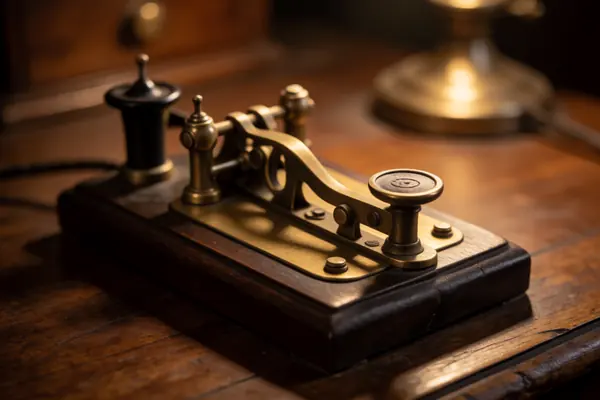
You filled in a form at a telegraph office. The message went along telegraph wires to the office nearest the address, then a messenger delivered it by hand.
Follow the story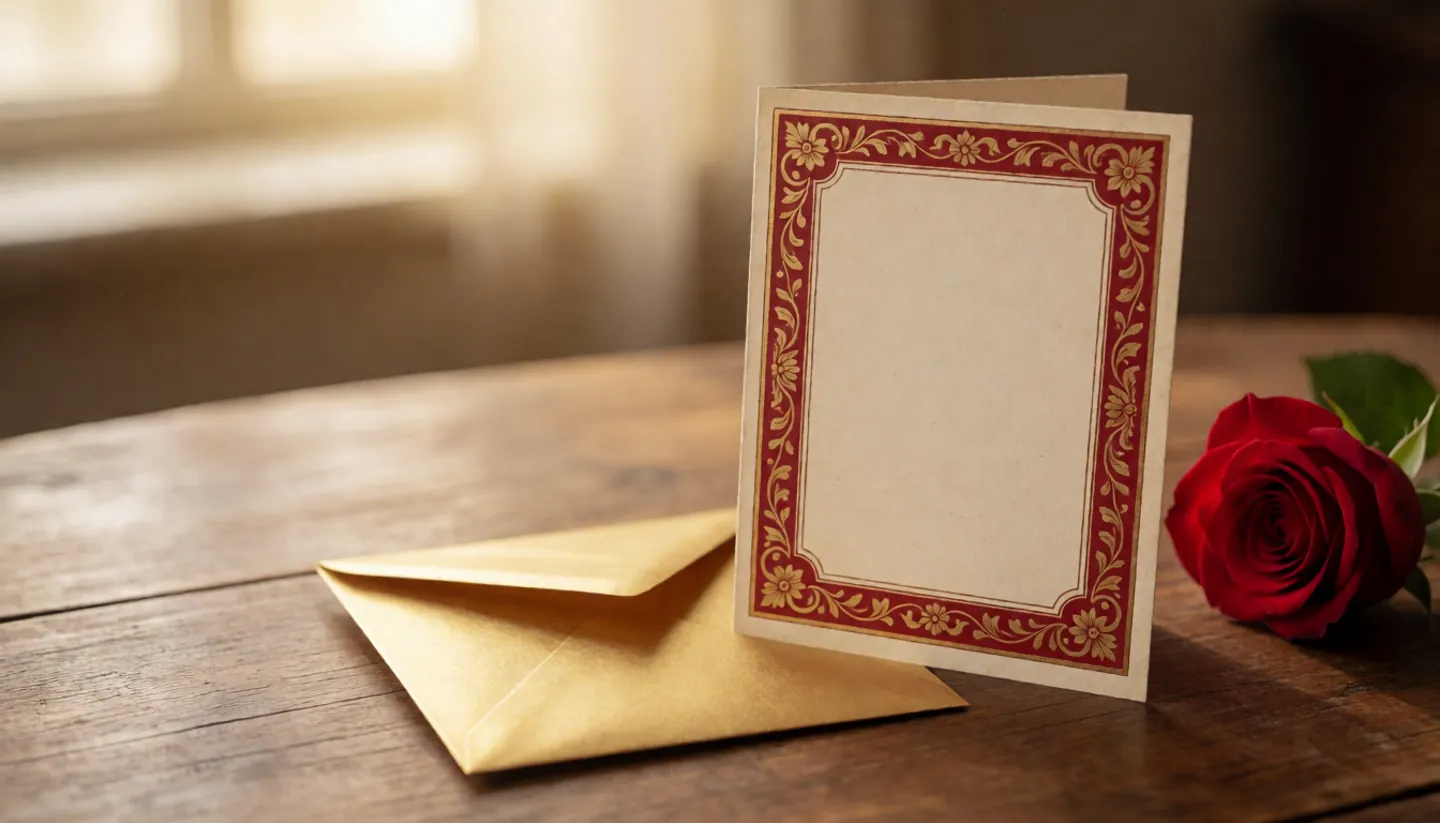
 valentinesgram
A SHORT HISTORY
14 FEB 1936 first Valentine's design
For years, a telegram at the door meant dread.
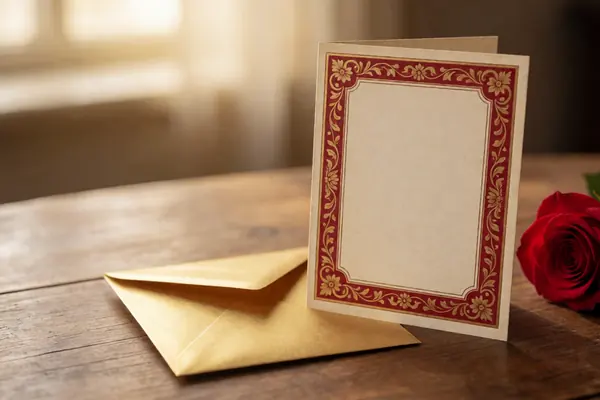
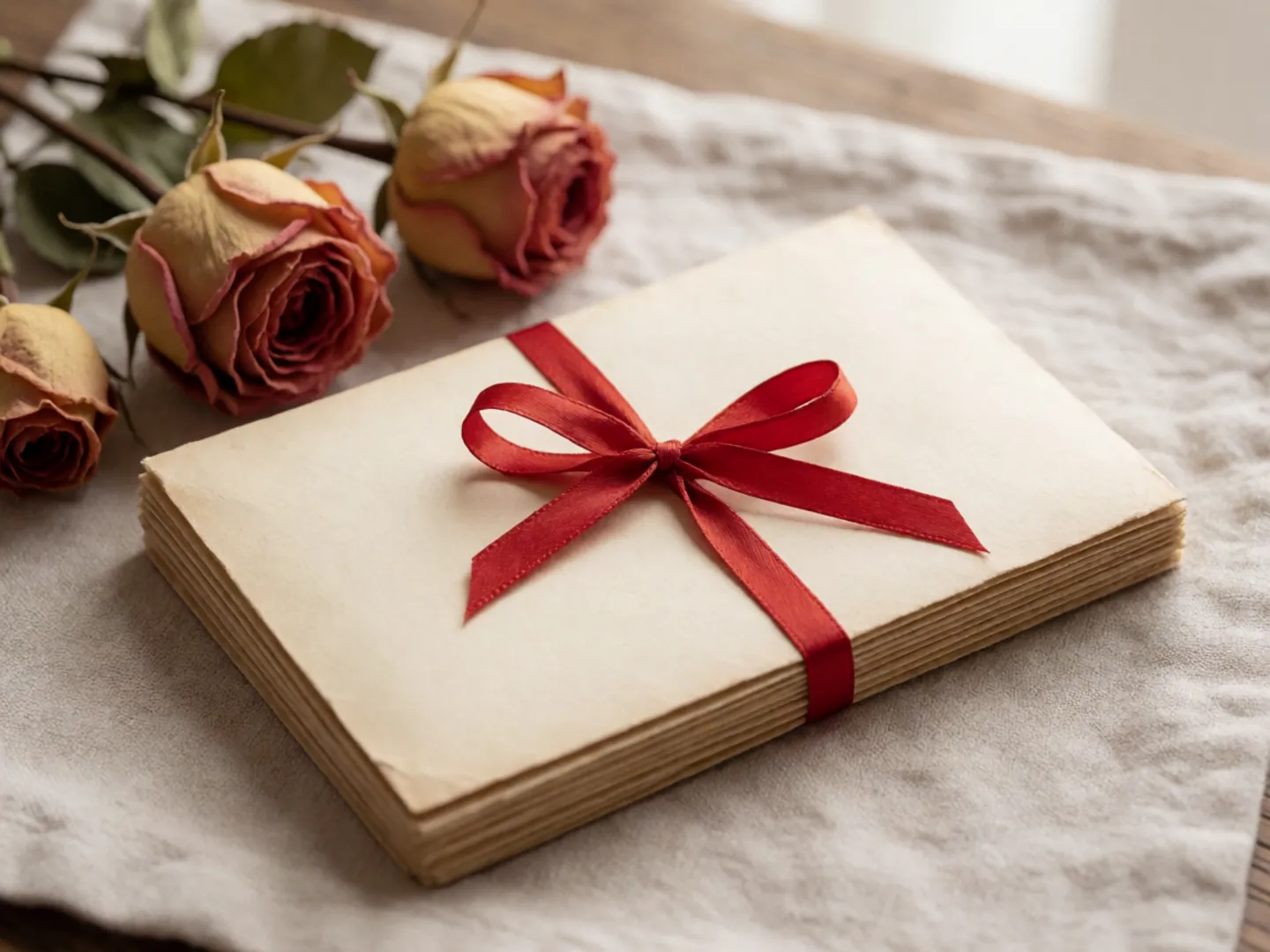
Then in 1935 the Post Office tried something new: a decorated Greetings Telegram in a golden envelope, for good news. A Valentine's design followed in February 1936, and the idea saved the service for decades.
Updated
Follow the storyTHE SHORT ANSWER
Telegrams were fast but costly.
Greetings designs gave people a happy reason to send one.
THE TELEGRAM
You filled in a form at a telegraph office. The message went along telegraph wires to the office nearest the address, then a messenger delivered it by hand.
Follow the storyTHE PROBLEM
In the First World War telegrams told families of those killed on active service. BT Archives says the messenger's arrival was often greeted with dread.
Why it changedTHE FIX
The Greetings Telegram of 1935 came on decorated paper in a golden envelope, for a little more money. Valentine's designs began in 1936.
See the numbersTHE TELEGRAM'S LIFE
Choose a point in the telegram's history. The bar shows how popular telegrams were at the time.
Based on BT Archives, The Greetings Telegram (2012), and The National Archives' Post Office telegram records.
TWO NUMBERS WORTH KNOWING
One price that shaped how people wrote,
one figure for how popular greetings became.
12 words
Words for sixpence
The Post Office changed the price from 20 words for a shilling to 12 words for sixpence, so people wrote short, direct messages more like a memo than a letter.
THE 1870 PRICE · BT ARCHIVES
9 million
Greetings Telegrams sent in 1942
The number of Greetings Telegrams sent rose from nearly 3 million in 1937 to 9 million in 1942.
GREETINGS · BT ARCHIVES
In 1936 a greetings telegram cost 9d for nine words and 1d for each extra word. By 1957 it cost 5 shillings for twelve words, against 3s 6d for a standard telegram.
FROM COUNTER TO DOORSTEP
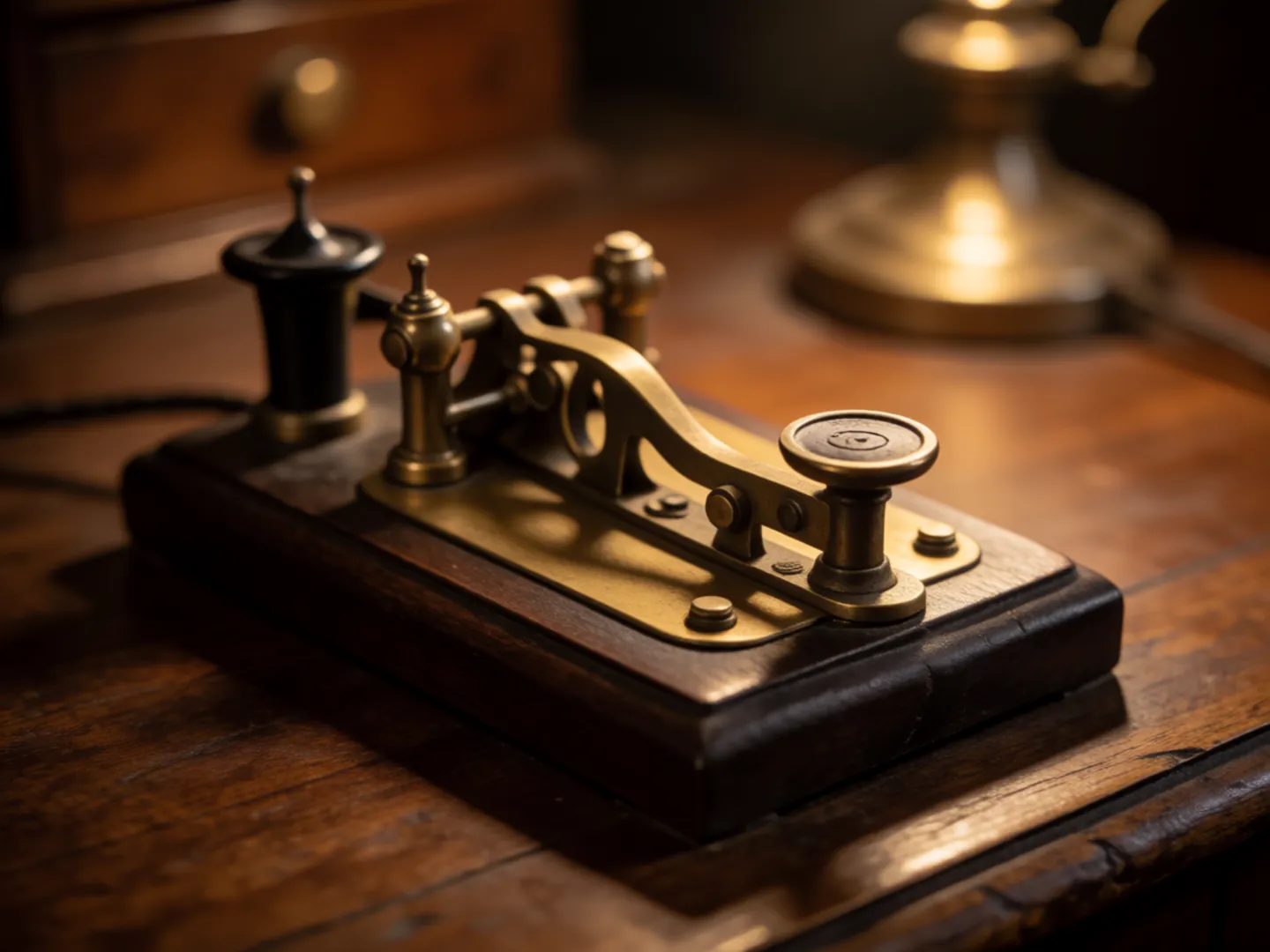
The route stayed much the same for decades, even as the machines changed.
At the local telegraph office you wrote your message on a form, keeping it short because you paid by the word.
The message was sent electrically along telegraph wires to the office nearest the address.
Soon after 1913 the Post Office adopted the teleprinter, which ran at about 65 words a minute and printed the telegram ready for delivery.
A messenger delivered it on foot, and later by motorcycle. Greetings Telegrams came in their own decorated envelope.
SPECIAL OCCASIONS
After the first Greetings Telegram in 1935, designs for particular occasions followed: Valentine's Day on 14 February 1936, and in 1937 a Coronation edition and four more Valentine's designs.
Greetings Telegrams returned in 1950 with occasional Valentine's issues. From 1957 'Deluxe' folding cards were made for weddings, birthdays, births and St Valentine's Day. Decorated greetings continued until the late 1960s, when numbers fell.
Questions
After the 1870 price change, people wrote shorter, more direct messages that looked more like a memo than a letter. These telegraph messages were dubbed telegrams.
A Valentine's Day Greetings Telegram design was introduced for 14 February 1936, the year after the first Greetings Telegram.
They were often used to break bad news, including, in the First World War, news of those killed on active service, so a messenger at the door was often greeted with dread.
In 1936, 9d for nine words and 1d for each extra word. By 1957 it was 5 shillings for twelve words.
British Telecom introduced the Telemessage in 1981, and it completely replaced the telegram service the next year.
Sources
ABOUT THIS NAME
valentinesgram.com is part of the DoodleSale portfolio. It isn't in an auction right now, but you can ask about leasing it.